
Most language courses will teach you "terima kasih" means "thank you" and move on. But if you stop and look at what these words actually mean, you’ll discover something genuinely beautiful about Indonesian culture.
The Hidden Meaning
Terima means "to receive."
Kasih means "love" or "affection."
So when you say "terima kasih" to someone, you’re literally saying "I receive your love." You’re acknowledging that what they did for you – whether it was serving your coffee, giving you directions, or holding a door – was an act of kindness, and you’re receiving it with gratitude.
That’s not just a translation. That’s a window into how Indonesians see the world.
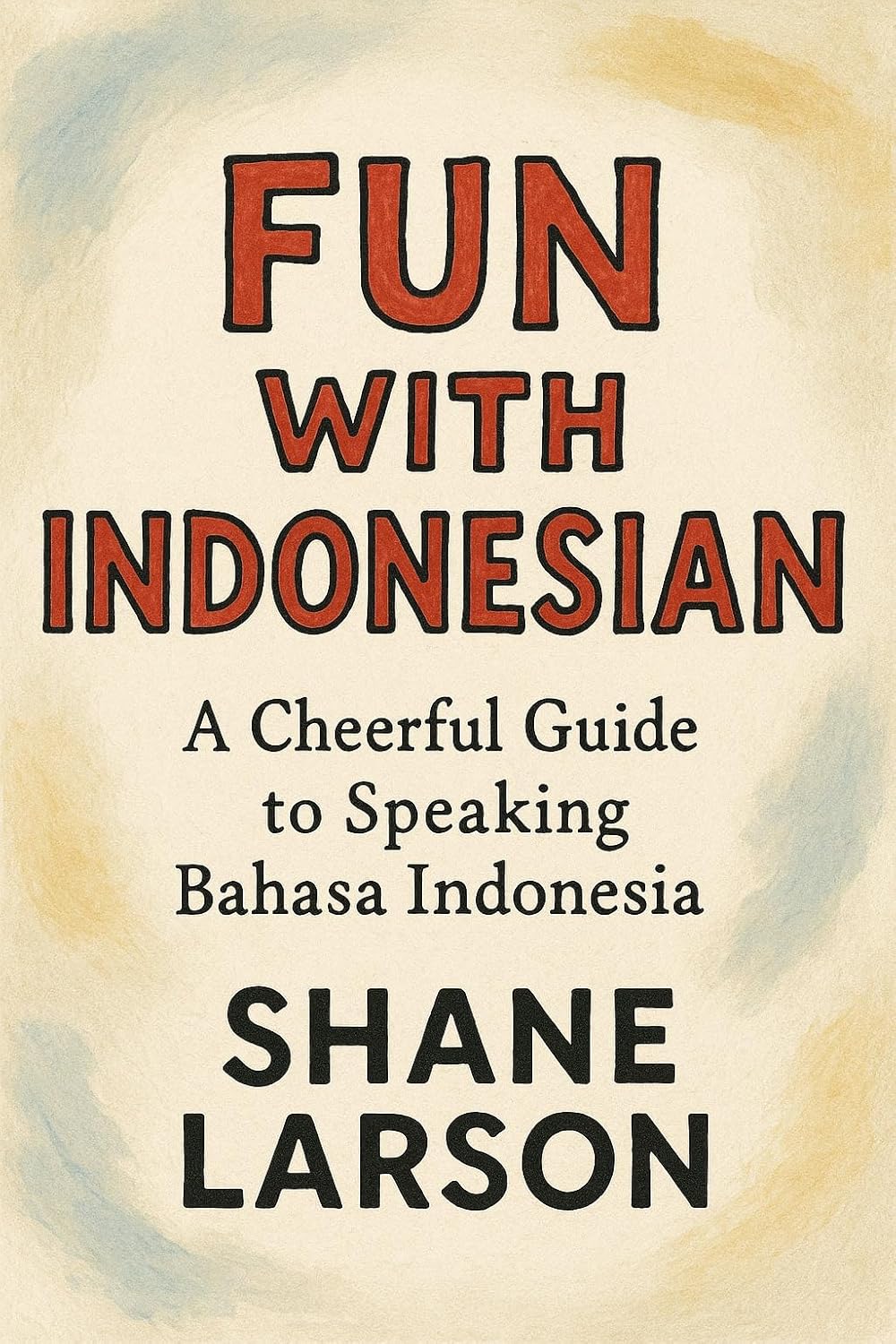
Fun with Indonesian collects all of it — phrases, pronunciation, and culture — into one guide you can carry.
How Indonesians Use It
You’ll say "terima kasih" dozens of times a day in Indonesia. To the warung owner who serves your nasi goreng. To the Grab driver who navigates Jakarta traffic for you. To the hotel receptionist. To the stranger who points you in the right direction.
For extra emphasis, add "banyak" (meaning "much"): "Terima kasih banyak!" – Thank you very much!
Among friends and younger Indonesians, you’ll often hear the casual shortened version: "Makasih!" Fun fact – the city of Makassar in South Sulawesi has a similar etymological root.
The Response: Sama-Sama
When someone thanks you, the standard reply is "Sama-sama" (SAH-mah SAH-mah), which literally means "same-same." The idea is beautiful in its simplicity: the kindness goes both ways. It reflects the Indonesian concept of gotong royong – mutual cooperation – which is central to how communities function across the archipelago.
The Polite Essentials
Indonesian has a complete toolkit of polite expressions that will make your interactions smoother:
- Tolong (TOH-long) – "Please" when said calmly, "Help!" when said urgently
- Maaf (mah-AHF) – "Sorry" or "Excuse me"
- Permisi (per-MEE-see) – "Excuse me" specifically when passing by someone
- Silakan (see-LAH-kahn) – "Please, go ahead" – used to invite someone to sit, eat, or proceed
Master these five words along with terima kasih and sama-sama, and you’ll navigate Indonesian social situations with grace. Check out our Polite Essentials module to hear all of these spoken naturally.