
Indonesian friendships are among the most generous you'll ever experience, full of warmth, shared meals, and that unmistakable sense of community that makes living in places like Bali feel like home. As an expat, it's easy to get stuck in the comfort of English-speaking circles, but stepping out to connect with locals can open doors to authentic experiences, from impromptu beach barbecues to heartfelt advice on navigating daily life. Building these bonds not only enriches your cultural immersion but also helps you practice Bahasa Indonesia in real-world settings. If you're new to this, remember, it's all about being genuine and showing interest—Indonesians are incredibly welcoming and often go out of their way to make you feel included.
Why Indonesian Friendships Matter for Expats
Making friends in Indonesia as an expat isn't just about having fun; it's a gateway to deeper cultural understanding and personal growth. In a country as diverse as Indonesia, with over 1,300 ethnic groups and languages, friendships can introduce you to traditions, festivals, and local wisdom that guidebooks miss. For instance, in Bali, you might bond over a Balinese Hindu ceremony or learn about the importance of "gotong royong" (mutual cooperation), a cultural value that emphasizes community support. This sense of togetherness can combat the isolation many expats feel, turning your stay into a transformative adventure.
To get started, focus on keywords like "expat friendship" and "Indonesian culture" by engaging in everyday conversations. According to expat surveys, those who learn basic phrases report feeling more connected and less homesick. Check out Lesson 1.5 for foundational greetings that set the stage for these interactions, as it covers essential polite expressions that show respect—a key to Indonesian social dynamics.
The Magic Sentence
"Saya sedang belajar bahasa Indonesia." This simple phrase—pronounced as "Saya sedang bel-aj-ar bah-asa In-do-ne-sia"—is like a golden key that transforms how Indonesians see you. It's not just about the words; it's a signal of your respect and effort to engage with their culture, which often leads to instant smiles, offers of help, and even invitations to join family gatherings.
Imagine you're at a local warung in Bali, ordering a plate of nasi goreng. By adding this sentence, you're turning a routine transaction into a conversation starter. The shop owner might respond with, "Bagus sekali! Mari saya bantu." (Great! Let me help you.), and suddenly, you're chatting about your language learning journey. This phrase works because Indonesians value humility and effort—it's a cultural norm to appreciate anyone trying to speak their language, even with mistakes.
For practical tips, use this sentence in various scenarios: when introducing yourself at a community event, asking for directions, or even during a casual chat at the market. A common mistake to avoid is rushing through it; speak slowly and with a smile to show sincerity. If you're worried about pronunciation, practice with Lesson 3.1, which breaks down vowel sounds and common phrases. Over time, this one sentence can evolve your interactions from surface-level to meaningful exchanges, helping you build a network of friends who might introduce you to hidden gems like a traditional gamelan performance.
The Getting-to-Know-You Script
Diving into conversations is the heart of making Indonesian friends, and this script provides a cheerful roadmap to get started. These questions are staples in Indonesian small talk, reflecting the culture's emphasis on building rapport through personal sharing. Remember, Indonesians often ask these out of genuine interest, so respond warmly to keep the dialogue flowing.
- Siapa nama Anda? (See-ah-pah nah-ma An-dah?) – What is your name?
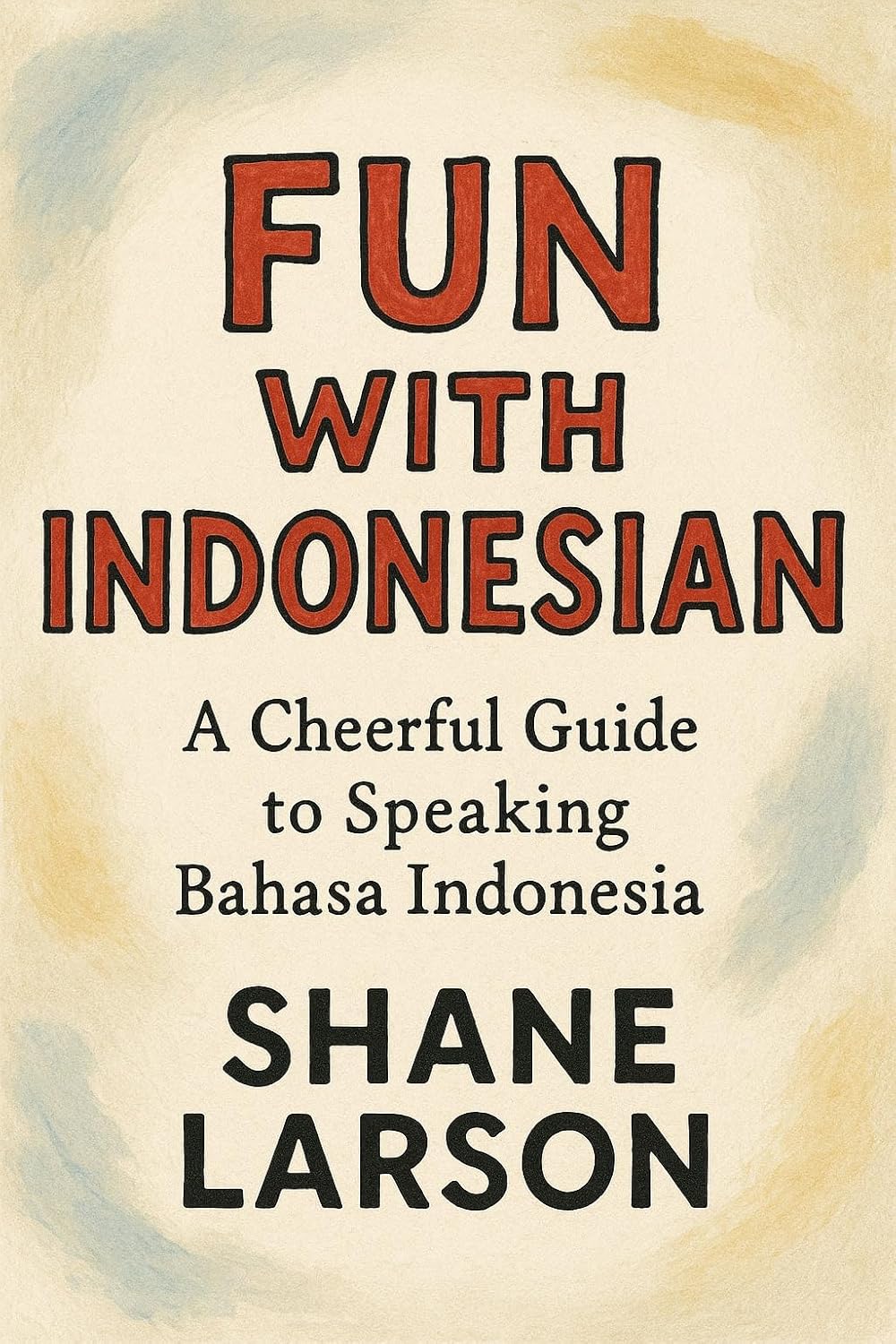
Fun with Indonesian collects all of it — phrases, pronunciation, and culture — into one guide you can carry.
This is your opener, and it's polite to follow up with your own name, like "Nama saya John." (My name is John.) In practice, use this when meeting someone new, such as at a neighborhood gathering or while shopping. A cultural insight: Indonesians might use nicknames or full names with titles (e.g., "Pak" for men or "Ibu" for women), so listen carefully. Avoid the mistake of not reciprocating—always share about yourself to show you're engaged.
- Dari mana? (Dah-ree mah-na?) – Where are you from?
This invites you to share your background, which can lead to fun cultural comparisons. For example, if you're from the US, you might say, "Saya dari Amerika." (I'm from America.) In Bali, this could spark discussions about travel or even lead to tips on must-visit spots. Practical usage: Pair it with "Apa kabar?" (How are you?), pronounced "Ah-pah kah-bar?", to make it more conversational. Common mistake: Don't just answer; ask back, like "Anda dari mana?", to avoid seeming self-centered.
- Sudah menikah? (Soo-dah meh-nee-kah?) – Are you married?
Family is central in Indonesian culture, so this question shows interest in your personal life. Respond honestly, perhaps with "Belum, saya single." (Not yet, I'm single.), and it might lead to stories about their own family. In a community setting, this can open doors to invitations for events like weddings or family feasts. Tip: Be prepared for follow-ups like "Ada anak?" (Do you have children?), and use Lesson 3.2 for more on family-related vocabulary to keep the conversation going.
- Suka Indonesia? (Soo-ka In-do-ne-sia?) – Do you like Indonesia?
This is a direct way to express enthusiasm—reply with "Ya, saya suka makanan Indonesia!" (Yes, I like Indonesian food!), pronounced "Ya, saya soo-ka mah-ka-nan In-do-ne-sia!". It's a great segway to share what you love, like Bali's beaches or Jakarta's street food. Cultural context: Indonesians take pride in their country, so genuine compliments can strengthen bonds. Avoid generic responses; add details to make it personal, and check Lesson 9.4 for expressing opinions effectively.
To expand your script, add phrases like "Apa hobi Anda?" (What are your hobbies?), which can reveal shared interests and lead to activities together. For expats in Bali, this might mean joining a surfing group or a cooking class—perfect for practicing conversation in a fun environment.
Teman vs Sahabat: Understanding the Levels of Friendship
In Indonesian culture, the words teman (friend, pronounced "teh-man") and sahabat (close friend, pronounced "sa-ha-baht") highlight the depth of relationships, going beyond casual acquaintances. A teman might be someone you chat with at the coffee shop, while a sahabat is like family, offering unwavering loyalty and support during tough times.
To illustrate, think of a teman as your workout buddy from the local gym, sharing laughs over "Mari olahraga!" (Let's exercise!). But a sahabat is the one who'd say, "Aku selalu di sisinmu." (I'm always by your side.), helping you navigate expat challenges like homesickness. Cultural insight: Friendships often form through shared meals or community events, emphasizing collectivism over individualism.
| Aspect | Teman (Friend) | Sahabat (Close Friend) |
|---|---|---|
| Depth | Surface-level, casual interactions | Deep emotional bond and trust |
| Examples | Chatting about weather or food | Sharing personal stories or advice |
| How to Build | Use daily phrases like "Halo, teman!" | Invest time in shared experiences, like attending a festival together |
| Common in | Expat meetups or work settings | Long-term community involvement |
To move from teman to sahabat, engage in reciprocal gestures, like inviting them for a meal or helping with errands. A practical tip: Avoid the mistake of being too formal; Indonesians appreciate relaxed, heartfelt interactions. For more on this, explore Lesson 10.1, which delves into relationship-building vocabulary.
Breaking Out of the Expat Bubble
Getting past the expat bubble requires proactive steps, blending language practice with cultural immersion. Start small by eating at local warungs, where you can try dishes like sate or rendang while practicing your phrases.
- Eat at local warungs. Dive into the flavors of Indonesia by ordering in Bahasa, like "Saya mau nasi goreng, tolong." (I want fried rice, please.), pronounced "Saya mau nah-si goreng, toh-long." This not only builds friendships with vendors but also introduces you to community gossip and events.
- Learn your neighbors' names. Make it a habit to greet them with "Selamat pagi, Pak!" (Good morning, Sir!), fostering daily interactions. In Bali, this could lead to invitations for temple visits, enhancing your cultural experience.
- Stop defaulting to English. Challenge yourself to use Indonesian phrases first—it's empowering and shows respect. For instance, switch to "Terima kasih" (Thank you) instead of "Thanks." Common mistake: Don't worry about perfection; Indonesians are forgiving and often correct you kindly.
For Bali-specific tips, join local expat-meet-local events or volunteer at community projects, where you can practice conversation while contributing. Check out Lesson 3.5 for more on everyday scenarios that help you connect.
Cultural Insights for Building Friendships
Indonesian culture thrives on hospitality, so embrace customs like removing shoes before entering homes or accepting food offers, even if you're full—it's a sign of politeness. A practical scenario: At a Balinese family gathering, use phrases like "Enak sekali!" (This is delicious!) to show appreciation, turning a meal into a lasting bond. Remember, patience is key; friendships take time, but the rewards—a sense of belonging and rich stories—are worth it.
Put these tips into action today by starting a conversation with that friendly neighbor or warung owner. Who knows? Your next "Saya sedang belajar bahasa Indonesia" might lead to a lifelong friendship!