
One of the first things that surprises people learning Indonesian is that there isn’t just one way to say "hello" – there are four, and each one is tied to a specific time of day. As a beginner diving into Bahasa Indonesia on Fun with Indonesian, you'll quickly see how these greetings go beyond simple pleasantries; they're a gateway to building genuine connections in a culture that values warmth and respect. Imagine strolling through a bustling market in Jakarta or chatting with neighbors in a Balinese village – starting with the right "hello" can turn a simple interaction into a memorable exchange. In English, we might casually toss around "good morning" or "hi," but in Indonesia, nailing the timing shows you're not just learning the language; you're embracing the heart of the culture. And if you're following along with our modules, you'll find that Lessons 1.1 and 1.2 dive deeper into these basics, helping you practice with fun audio clips.
This time-based approach to greetings reflects Indonesia's tropical lifestyle, where the day is divided by the sun's rhythm rather than strict clocks. It's all about harmony with nature and community, a concept rooted in the Indonesian philosophy of gotong royong (mutual cooperation). By the end of this article, you'll feel confident swapping out your generic "hello" for the perfect Indonesian greeting, making your conversations more authentic and enjoyable. Let's break it down step by step, adding in some practical tips, cultural nuggets, and even a few extra phrases to sprinkle into your daily chats.
The Four Greetings
Indonesian greetings are simple yet powerful, always starting with "Selamat" followed by a time-specific word. Each one is used during a particular window of the day, and getting it right can make you feel like a local in no time. Below, we'll explore each greeting in detail, including pronunciation guides, example sentences, and tips on when and how to use them. Remember, Indonesians appreciate enthusiasm, so don't hesitate to add a smile or a nod – it's all part of the friendly vibe!
Selamat Pagi: Good Morning
Selamat Pagi (pronounced seh-LAH-maht PAH-gee, with a soft "g" like in "go") is your go-to from sunrise around 6:00 AM until about 11:00 AM. This greeting kicks off the day with a positive vibe, often heard in schools, offices, and even from street vendors as the sun rises over the rice fields.
In practice, you might say: "Selamat Pagi, Pak! Bagaimana kabar Anda hari ini?" (Good morning, sir! How are you today? – pronounced BAH-gah-EE-mana KA-bar AN-da HA-ri IN-ee). This isn't just a hello; it's an invitation to connect. For example, if you're meeting a colleague for breakfast, starting with Selamat Pagi sets a cheerful tone. In rural areas like Java or Sumatra, it's common to pair it with a handshake or a slight bow, emphasizing respect for elders or community leaders.
A practical tip: If you're an early riser traveling in Indonesia, use this greeting to bond with locals during morning walks or at warungs (small eateries). A common mistake for beginners is holding onto "Selamat Pagi" too late into the day – by noon, it might sound off, so switch to the next one to avoid confusion. For more on building conversations, check out Lesson 1.3, where we cover follow-up questions like asking about someone's day.
Selamat Siang: Good Afternoon
Selamat Siang (seh-LAH-maht SEE-ahng, with "Siang" rhyming with "sing") takes over from about 11:00 AM to 3:00 PM, capturing the peak of the tropical heat when people are grabbing lunch or powering through the afternoon slump. It's perfect for that midday energy boost, especially in busy cities like Jakarta where the sun is blazing.
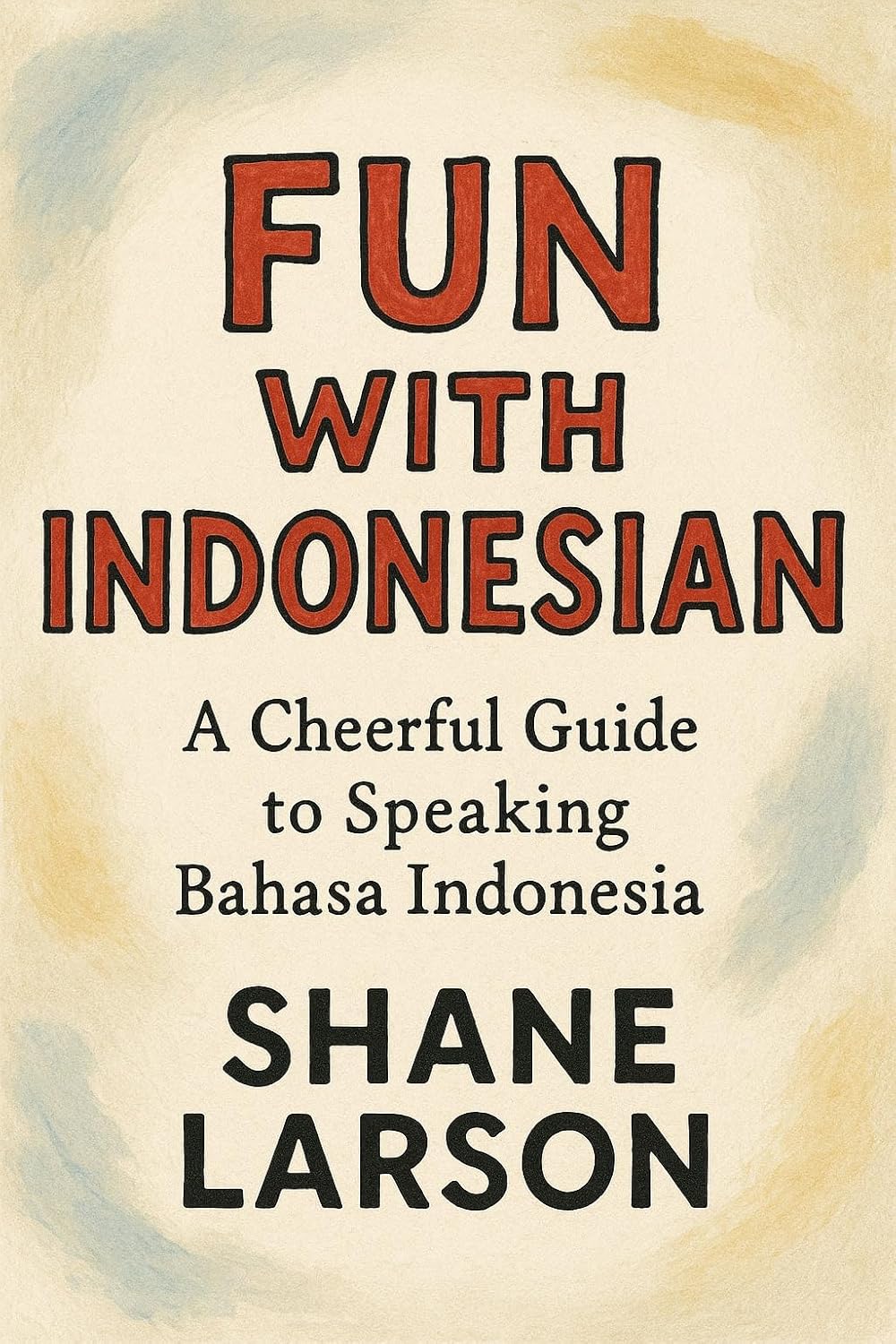
Fun with Indonesian collects all of it — phrases, pronunciation, and culture — into one guide you can carry.
Try it in a sentence: "Selamat Siang, Ibu! Apa yang sedang Anda lakukan?" (Good afternoon, ma'am! What are you up to? – pronounced APA yang SAH-dang AN-da la-KU-kan). Imagine you're at a food stall ordering nasi goreng; starting with Selamat Siang shows you're tuned into the local pace. In cultural contexts, this greeting highlights Indonesia's emphasis on communal meals, like the midday rice-sharing traditions in villages, where it's rude to eat alone without exchanging greetings.
Practical usage: Use it during business meetings or when meeting friends for lunch – it's a great way to transition from morning routines to afternoon activities. Watch out for common mistakes, like confusing it with Selamat Sore; if it's before 3 PM, stick with Siang to keep things accurate. For audio examples and role-playing scenarios, head to Lesson 1.4 on our site.
Selamat Sore: Good Late Afternoon
Selamat Sore (seh-LAH-maht SOR-ay, with "Sore" sounding like "store" but softer) is used from around 3:00 PM to 6:00 PM, that magical window when the heat fades and people start unwinding. This greeting has no exact English match, making it a fun one to learn – it's like saying "good late afternoon" while acknowledging the day's shift toward evening.
For instance: "Selamat Sore, teman! Mari kita jalan-jalan di taman." (Good late afternoon, friend! Let's take a walk in the park – pronounced MAH-ri KAY-ta JAH-lan JAH-lan dee TAH-man). In everyday scenarios, you might hear it at markets or community events, like the sunset prayers in Muslim-majority areas. Culturally, this time is when families gather for snacks or play, reflecting Indonesia's relaxed approach to daily life.
Add some flair with practical tips: If you're visiting a beach in Bali, use Selamat Sore to chat with locals as the sun sets – it's a prime time for social interactions. A key mistake to avoid is rushing into conversations without it; in smaller towns, skipping greetings can seem abrupt. Compare this to English customs in a quick table below to see the differences:
| Time of Day | Indonesian Greeting | English Equivalent | Key Cultural Note |
|---|---|---|---|
| 6:00 AM - 11:00 AM | Selamat Pagi | Good Morning | Emphasizes fresh starts and community bonds |
| 11:00 AM - 3:00 PM | Selamat Siang | Good Afternoon | Ties into meal times and midday rest |
| 3:00 PM - 6:00 PM | Selamat Sore | Good Late Afternoon | Marks the transition to evening leisure |
| After 6:00 PM | Selamat Malam | Good Evening/Goodnight | Wraps up the day with safety wishes |
Lesson 1.2 has great exercises to practice these timings.
Selamat Malam: Good Evening or Goodnight
Selamat Malam (seh-LAH-maht MAH-lahm, with "Malam" like "ma-lum") is for after 6:00 PM and can mean both "good evening" and "goodnight," depending on the context. It's a versatile closer, used for evening gatherings or bedtime farewells.
Example: "Selamat Malam, keluarga! Semoga mimpi indah." (Good evening/night, family! Sweet dreams – pronounced se-MO-ga MIM-pee in-DAH). In cultural settings, like family dinners or evening festivals, it reinforces the idea of safety and rest, especially in places with strong communal ties. Unlike English, where we differentiate between evening and night, Indonesians keep it simple, making it easy for learners.
Scenario tip: If you're at a night market in Yogyakarta, use it to bid farewell after shopping. Avoid the pitfall of using it too early – wait until dusk for authenticity. For more on nighttime phrases, explore our companion book available on Amazon, which pairs perfectly with Module 1 lessons.
The Word "Selamat"
The magic of Indonesian greetings lies in the word "Selamat," which means "safe," "peaceful," or "blessed." Derived from Arabic influences in Indonesian culture, it's a nod to the country's diverse heritage, blending Islamic traditions with local customs. Every time you say "Selamat Pagi," you're not just saying hello; you're wishing someone a protected and prosperous morning. This adds a layer of depth to interactions, making even casual chats feel meaningful.
For example, you might hear "Selamat Hari Raya" during holidays, extending the same root word to festive greetings. In practice, this reflects Indonesia's emphasis on harmony and well-being, a concept woven into daily life through phrases like "Selamat Jalan" (safe travels). To make it stick, try incorporating it into your routine – start your day with "Selamat Pagi" in the mirror!
Why It Matters
In Indonesia, greetings are more than words; they're a bridge to relationships. Using the wrong one might not cause offense, but it can signal you're not fully engaged with the culture, especially in rural areas where traditions run deep. For instance, in places like Flores or Sulawesi, a timely greeting can lead to invitations for tea or shared stories, turning strangers into friends. This practice stems from Indonesia's collectivist society, where community ties are everything.
Cultural insight: Greetings often vary slightly by region – in Papua, you might hear local twists – but the core four remain universal. As a learner, mastering them shows respect and opens doors, whether you're negotiating at a market or joining a family event. Remember, a warm "Selamat Siang" with eye contact can make all the difference for travelers.
Common Mistakes to Avoid and Practical Tips
As you practice, watch out for pitfalls like mispronouncing vowels or mixing up times – for example, saying "Selamat Pagi" at noon might get a polite correction. To help, pair greetings with gestures, like a hand on your heart for emphasis. For interactive practice, dive into our Greetings & Basics module, where Lessons 1.1 through 1.4 offer audio and quizzes to solidify your skills.
Try this: Create a daily routine with flashcards of times and greetings, then test yourself with role-plays. You're on your way to fluent, friendly Indonesian chats – keep going!