Indonesian for Couples: Romantic Phrases and Dating Culture
Diving into a romance with someone from Indonesia can be an exciting adventure, full of warm smiles, heartfelt conversations, and cultural surprises. Whether you're an expat navigating relationships in a new country or just starting to learn Bahasa Indonesia for your special someone, mastering romantic vocabulary and understanding dating culture can make all the difference. In this article, we'll explore key phrases, terms of endearment, and cultural nuances to help you build stronger connections. Let's keep things cheerful and practical—after all, love is about having fun while learning!
The Romantic Progression
Expressing your feelings in Indonesian isn't just about words; it's a journey that reflects the culture's emphasis on gradual emotional depth and respect. The phrases below show how relationships often progress, starting from light affection to deep commitment. Remember, Indonesians value subtlety, so take your time and let things unfold naturally.
- Saya suka kamu -- I like you
This is the perfect starter phrase for that early flutter of interest. Pronounced as "Sigh-yah soo-kah kah-moo," it's casual and low-pressure, similar to saying "I like you" in English. Use it when you're getting to know someone, like during a fun coffee date in Jakarta. For example: "Saya suka kamu karena kamu lucu banget!" (I like you because you're really funny!). A common mistake for intermediates is confusing it with stronger emotions—avoid jumping straight to this if you're not ready, as it can feel insincere. In Indonesian culture, building trust first is key, so pair it with actions like sharing a meal or a walk in the park.
- Saya sayang kamu -- I care about you / I'm fond of you
Pronounced "Sigh-yah sah-yang kah-moo," this steps up the intensity, showing deeper affection without the full weight of love. It's like saying "I care about you" and can be used in everyday scenarios, such as texting your partner during a busy day: "Saya sayang kamu, jaga kesehatan ya!" (I care about you, take care of your health!). This phrase often appears in relationships where you're exclusive but not yet committed. Cultural insight: In Indonesia, "sayang" implies protectiveness and loyalty, influenced by family-oriented values. If you're an expat, watch out for the common error of translating it too literally—it's more emotional than "I like you." For more on building emotional vocabulary, check out Lesson 9.5 in our modules, which dives into expressions of care.
- Saya cinta kamu -- I love you
The big one! Pronounced "Sigh-yah chin-tah kah-moo," this is reserved for serious commitments and is often said during milestone moments, like anniversaries or family gatherings. Imagine whispering it during a romantic sunset on Bali's beaches. However, in Indonesian dating culture, declaring love too early might overwhelm your partner, as relationships often involve family approval first. A practical tip: Practice with role-playing scenarios, like: "Saya cinta kamu selamanya" (I love you forever), to make it feel natural. Expats should note that Indonesians might express love through actions, like cooking your favorite nasi goreng, rather than words alone.
To give you a better sense of how these phrases evolve, here's a quick comparison table:
| Phrase | Level of Intensity | Best Used For | Common Cultural Context |
|---|---|---|---|
| Saya suka kamu | Low | Flirting or early dates | Light-hearted, fun interactions |
| Saya sayang kamu | Medium | Building trust in exclusivity | Showing daily care and support |
| Saya cinta kamu | High | Long-term commitments | Family-involved relationships |
This progression isn't just about words—it's about respecting the pace of Indonesian romance, where patience and mutual respect shine through.
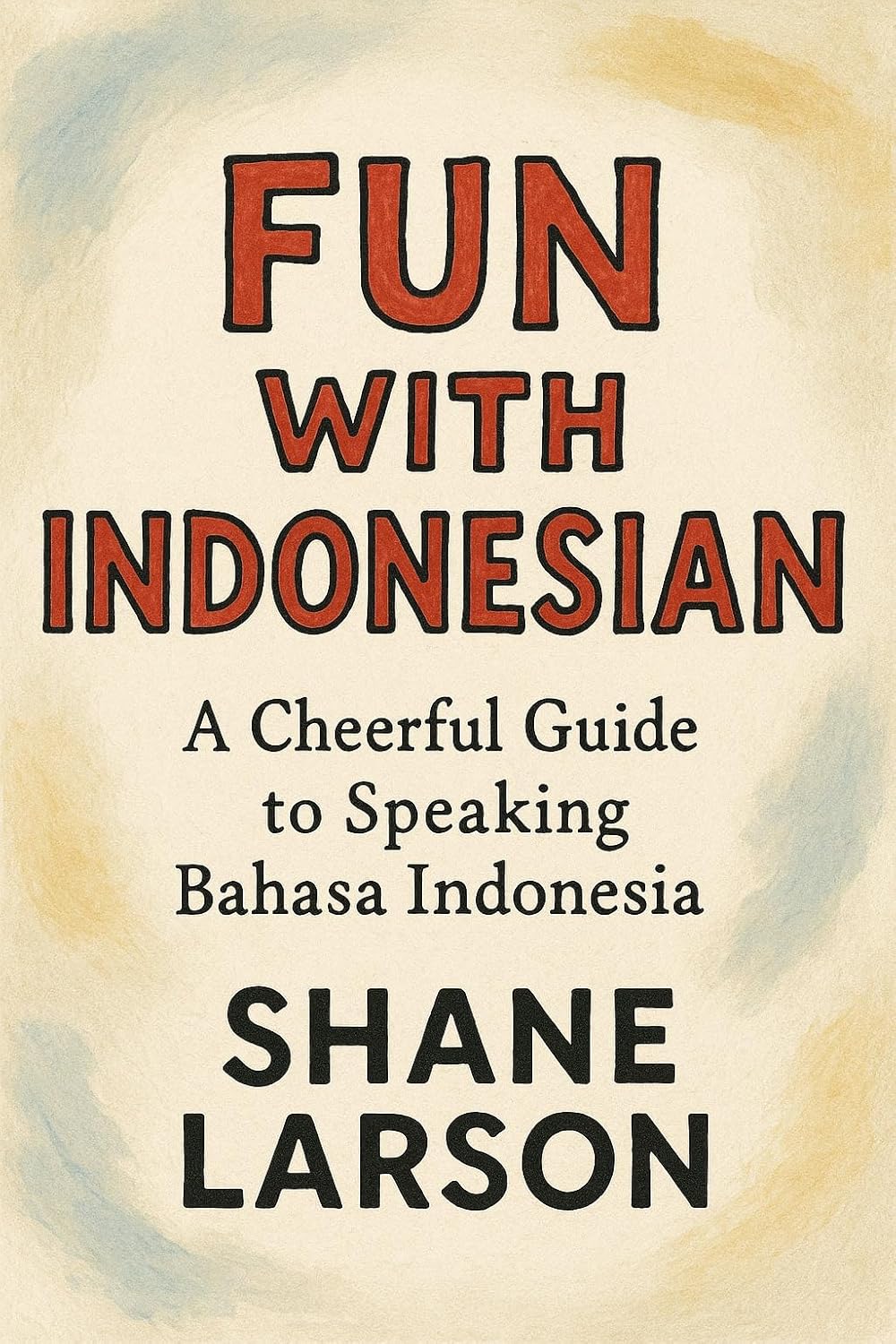
Fun with Indonesian collects all of it — phrases, pronunciation, and culture — into one guide you can carry.
Terms of Endearment
Terms of endearment add a sweet, playful touch to your conversations, making your partner feel cherished. In Indonesia, these words often draw from everyday life and reflect the culture's affectionate nature. They're not just nicknames; they're ways to build intimacy while honoring traditions.
- Sayang -- Darling
This versatile term, pronounced "Sah-yang," is like a warm hug in word form. Use it casually, such as "Halo, sayang!" (Hello, darling!), when greeting your partner. In practice, it's common in texts or calls, especially in long-distance relationships common among expats. Cultural context: "Sayang" stems from a word meaning "beloved," and it's gender-neutral, making it perfect for modern couples. A tip to avoid mistakes: Don't overuse it in public—Indonesians are modest, so save the mushy stuff for private moments.
- Cantik -- Beautiful (for women)
Pronounced "Chan-tick," this is a go-to compliment for women, akin to saying "beautiful" in English. Try it in a sentence: "Kamu cantik hari ini, sayang!" (You're beautiful today, darling!). It's especially effective during dates, like complimenting her outfit at a traditional Indonesian event. Practical usage: Pair it with gestures, such as bringing flowers, to show sincerity. Common mistake: Non-native speakers might mispronounce it as "can-tick," which could sound off—practice the soft 'ch' sound. For more on compliments, explore Lesson 10.1, where we cover positive affirmations.
- Ganteng -- Handsome (for men)
Pronounced "Gahn-teng," this boosts your partner's confidence and is often used playfully. For example: "Kamu ganteng sekali!" (You're so handsome!). In dating scenarios, it's great for lightening the mood during a romantic dinner. Cultural insight: Appearance compliments like this tie into Indonesia's appreciation for harmony and attractiveness, influenced by diverse ethnic backgrounds. Expats might find it helpful to use this in mixed-company settings, like family events, to blend in smoothly.
To expand your repertoire, add these extras: Manis (Sweet, pronounced "Mah-niss") for someone with a charming personality, or Sayank (a cute variation of sayang). These can make your conversations more vibrant and personalized.
Useful Phrases
Beyond the basics, useful phrases help you navigate daily interactions and keep the romance alive. Let's add some more to your toolkit, with practical scenarios to make them stick. Remember, practicing these with a partner or language buddy can turn learning into a fun game!
- Saya rindu kamu -- I miss you
Pronounced "Sigh-yah rin-doo kah-moo," this is ideal for when you're apart, like during work trips. Scenario: Text it after a weekend getaway: "Saya rindu kamu sudah, kapan ketemu lagi?" (I miss you already, when can we meet again?). Cultural tip: Indonesians express missing someone through shared memories, so follow up with a photo or story. Avoid the mistake of saying it too soon—it implies emotional closeness.
- Kamu mau jadi pacar saya? -- Will you be my boyfriend/girlfriend?
Pronounced "Kah-moo mah-oo jah-dee pah-car sah-yah," this is your go-to for taking things official. Use it during a heartfelt moment, like a quiet evening walk. Example: "Kamu mau jadi pacar saya? Aku serius kok!" (Will you be my boyfriend/girlfriend? I'm serious about it!). Practical advice: In Indonesia, this often leads to introducing partners to family, so be prepared. Expats should check Lesson 9.1 for more on relationship milestones.
- Selamat malam, mimpi indah -- Good night, sweet dreams
Pronounced "Seh-la-maht mah-lam, mim-pee in-dah," it's a charming way to end the day. Scenario: Whisper it before bed during a video call. To avoid errors, don't rush the pronunciation—make it tender and slow.
For more phrases, try these additions: Aku ingin dekat denganmu (I want to be close to you, pronounced "Ah-koo in-gin deh-kaht den-dah-moo") for building intimacy, or Mari jalan-jalan bersama (Let's go for a walk together, pronounced "Mah-ree jah-lan jah-lan ber-sah-ma") for date ideas. These can spark everyday romance and help you connect on a deeper level.
Dating Culture
Indonesian dating culture is a blend of tradition, family values, and modern influences, making it both enchanting and unique. As an expat, embracing these aspects can strengthen your relationship and show respect for your partner's background.
Family Is Involved
In Indonesia, family isn't just important—it's central to romance. When things get serious, expect to meet the parents early, often within a few months. Their restu (pronounced "Res-too," meaning blessing) is crucial for the relationship's success, as it symbolizes approval and harmony. Practical tip: Prepare by learning basic greetings like "Selamat siang, Ibu" (Good afternoon, Mother) and "Selamat siang, Bapak" (Good afternoon, Father). A common mistake is being too casual; always show respect through polite language and small gifts, like traditional snacks. Cultural insight: This stems from Indonesia's collectivist society, where family decisions impact personal choices. For expats, this might feel intense, but it's a beautiful way to integrate—think of it as expanding your own family circle.
The Marriage Question
You'll hear "Kapan menikah?" (When will you marry?, pronounced "Kah-pahn meh-nee-kah") early and often, especially from family and friends. It's not meant to pressure you; it's a cultural norm reflecting the value placed on stability and commitment. Scenario: At a family gathering, someone might ask this jokingly, so respond lightly, like "Nanti saja, kita nikmati dulu!" (Later, let's enjoy this first!). To navigate this, build open communication with your partner about timelines. Comparison: In Western cultures, marriage talks might come later, but in Indonesia, it's tied to social expectations. For more on this, check out Lesson 9.4, which explores family dynamics in relationships.
Religion Matters
Indonesia's diverse religious landscape means that for marriage, couples must share the same religion on their certificate, as per legal requirements. This can be a hurdle for expats, but it's also an opportunity for deeper understanding. Practical usage: Discuss beliefs early, perhaps over a meaningful conversation: "Apa agama kamu?" (What is your religion?, pronounced "Ah-pah ah-gah-mah kah-moo"). Cultural context: With Islam as the majority faith, many relationships incorporate traditions like halal dating. A tip: Be sensitive and learn about your partner's practices, such as fasting during Ramadan, to show support. This shared aspect can actually strengthen bonds.
For expats diving into Indonesian romance, add a new layer with Public Displays of Affection (PDA): While holding hands is common in cities, kissing in public might draw stares due to conservative norms. Aim for balance—save the big gestures for private settings to respect cultural boundaries.
As you weave these phrases and insights into your love life, remember: the key to romance in Indonesia is patience, respect, and a bit of adventure. Why not start today by practicing "Saya suka kamu" with your partner? It's a small step that could lead to something beautiful!